Hello friends,
On Monday I'll be halfway through the challenge, so I thought I'd share a little about my motivation.
Regular
readers will know I started this year long challenge because of a
conversation I had at work. You'll also know I work for Contact a
Family, a charity that supports families of disabled children. They do
lots of things, from providing advice and information, to campaigning,
to organising family trips and supporting more than 150 parent carer
forums across the country to influence local policy making. They are
pretty awesome and I'm proud to work there.
What I don't think I've told you is why I care so much about this issue.
As
a small child I lived disability as a part time sibling. I've spoken
before on this blog about my mum being a bit of an inspiration, and
certainly one of the things that has shaped my life and my attitude to
disability came from her.
I don't know how many of you know about family link caring? Basically it works like this. Children with complex needs, often need more care than other children. What this means in practical terms is that
their parents, and other family members take more time undertaking tasks
to keep them safe and healthly. Politically that's why we use the term
parent carer to talk about parents of disabled children. Because over
and above the stuff you need to do to parent every child, there are
addittional caring responsibilities, often involving a huge level of skill. And this means that parent carers
can get tired, and that children with complex needs get less time away
from their parents than other children their age. If you think back to
your own childhood you'll realise that some of your funniest and most
meaningful memories came from times when you tested boundaries, made
mistakes or just tried something that felt alien to you. And I'm
prepared to bet that a good proportion of those memories were made when
you were at friends or other family members houses and your parents weren't there.
As children our parents are structure - and we need time away from them
to understand ourselves as individuals. So family link carers basically
offer the opportunity for children with complex needs to have that
experience of being away from home, by opening up another skilled carers
home for regular days out or overnight stays.
In
our case it gave C & K (the two girls my family were linked with),
the chance to hang out with other people and be more independant. It
gave their parents a break from caring. And it gave me a unique
understanding of the barriers that disabled children and their families
face accessing, well everything really. Two weekends a month if we
wanted to go swimming, or to the shops or the park, we could be out of
the door in 15 minutes without thinking, and the other 2 we couldn't.
We'd have to consider what play equiptment was accessible to C on her
wheelchair (clue: none), wether there was even adequate paving so her
chair didn't get stuck in the mud on the way to the park, if the
swimming pool had a hoist, we'd have to make a plan for where to park in
our small town so if we 'popped to the shops' we actually could get
into most of them.
And if anything it was more difficult with K who didn't have mobility needs, but was a wonderful (if a bit sweary) girl with Down's
syndrome. Where could we take her where she wouldn't be asked to be
quiet, or expected to stay still for longer than she could manage. Where
could we rely apon other children to be kind and accept her exuberant
offers of friendship, accompanied as they were with too tight hugs?
Where mothers and fathers didn't either quietly move their children
away, or talk about her as though she was a lesson in her hearing? K did
have a learning disability. It didn't mean she wasn't smart, or that
she wasn't sensitive to peoples emotions - she was both of those things,
and being constantly made aware she was different by people around her
(even the kind ones) hurt her feelings, and ironically brought out in
her the kind of behaviour that people feared.
It was crappy. And yes it was the 1980's, and some things have changed. But not enough. When
I talk to young people, the parents and to siblings - the stories they
tell feel achingly familiar and all the more devistating for being lived
all year, rather than just a couple of weekends a month.
For
me as a child, the natural thing would have been to resent these more
highly planned, less free weekends but two things prevented that from
happening. Firstly I genuinely loved C & K. C was kind and gentle
and really happy to let me dictate the pace of play, and K was was wild
and brave and taught me swear (one of my greatest talents to this day).
And secondly my mum redirected my frustration and anger where it
belonged, not at C & K, or at her, but at the society that forgot
that disabled children existed when it planned parks and leisure spaces,
that didn't teach children and adults to be welcoming to and accepting
of difference. That shrugged it's shoulders and said "it's too
difficult" when asked to releive some of the caring responsibilities
from parent carers so they can enjoy some time just being parents, or to
consider the economic impact of raising a child who needs more care.
And
I still have that anger. I'm still furious that families of disabled
children are allowed to live in poverty because not enough is done to
alleviate the addittional costs of raising a disabled child. I'm
disgusted when I see public attitudes to disability, and read more about
the idea of disabled people as scroungers than I do about the
injustices they face, because we as a society choose not to pay
attention.
It
worries me that everyone I know knows someone with a disabled child,
yet hardly anyone can identify disabled adults amongst their friendship
group. Yes some disablities are attached to life limiting conditions (C
is longer with us), but most aren't. So why aren't we all able to
identify people with learning disabilities, people who are deaf, or
blind, who have mobility needs amongst our friendship groups? Is it
because those children that we know now don't get to play alongside
other children, or sit by them in class, so as they grow disabled
children have less and less contact with their non- disabled peers? Is
it because the lack of adjustments made for these families isolates
them, and what we don't see we don't care about, and so our children
don't make those friendships and when they become adults they aren't
motivated to stand with disabled people as say 'this is not ok'?
I
think that's part of it. And that's why Contact a Family are working so
hard to support families of disabled children to be less isolated, and
to form communities of support. Because anger isn't enough. We need to
take action to change this and the donations readers of this blog are
making allow us to do that. To keep lobbying. To keep shouting about
this. To keep giving families the information they need about their
rights.
Together
we've raised more than £2,300 so far, please please keep the donations
coming. Because 6 more months of wearing the same clothes is easy (it's
not. I'm sooooo bored), but a lifetime of isolation isn't. And it's
preventable. Here's the link to donate
This is a personal blog and contains my personal views, not necessarily those of any organisation I represent in any capacity.
Friday, 20 November 2015

Friday, 6 November 2015
The importance of warmth
So I mentioned a couple of days back that I’ve been feeling
starved of colour for the last couple of months.
It seemed to be like the easiest way to inject colour into
my life all winter was to buy a colourful scarf. That’s easy to do right?
Wrong. I agonised over what to buy.
Everyone knows that more choice leaves us less happy. In my case I have
loads of choice, until I make the choice & then there is no backing out.
All
the choice and nothing to show for it or no choice forever (ok for 7 months –
but it feels like a long time) =Torture. The challenge has delivered me loads
of great things over the last 5 ½ months, but it’s also reintroduced me to my
old friend indecision. And even though indecision and I have been estranged –
she’s wormed her way back in there pretty successfully and is now my constant
shopping companion.
Honestly. I’ve needed a scarf for weeks. I must have looked
at EVERY SCARF ON THE INTERNET. I became a total scarf bore. I knew exactly
what I wanted – I had a really clear picture in my head but I couldn’t find the
real thing anywhere.
And what I would normally have done if I wasn’t doing this
challenge was picked something ‘near enough’ to see me through until Plato’s
higher scarf presented itself. But since I have to stick with whatever choice I
make this year, I put it off. I went out day after day and night after night in
my thin mac with my neck exposed until surprise surprise I made myself
ill.
I was a full on snot factory last week. It was disgusting. I
had a sore throat, earache, blocked nose and all the associated headaches. My
husband got no sleep at all as a result of my rambunctious snoring. And I don’t
deserve any sympathy at all because I did it myself with vanity.
You know how Kate Moss once said ‘Nothing tastes as good as
skinny feels?’ (at least the internet says she did. Kate if you didn’t I’m
super sorry for mis- quoting you, and if you did – stick around – cos I think
you’re eating the wrong food). I have a problem with that phrase – it’s
patently untrue. I mean maybe if you eat in a really self punishing way
potentially, potentially unsweetened
granola with skimmed milk doesn’t taste as good as skinny feels, or a plain
bowl of quinoa with no veggies. But mashed potatoes? Apple crumble and custard?
Cheesy beans and waffles? They all taste at least as good as skinny feels as
the hips and bums of our nation’s women will testify.
I know what I’m talking about on this. I got dysentery in
Nepal 9 years back and got super skinny. And you know what? It felt alright – I
knew I looked good in my bikini. But it didn’t feel as good as homemade peanut
butter and chocolate sauce pancakes taste – which explains why I’d put it all
back on within two years.
Anyway I digress. What I wanted to say is that I’ve come up
with a new and much healthier saying, from what I’ve learnt from letting myself
get sick out of vanity, and here it is:
“Nothing looks as good as warm feels”. And it’s totally
true. On Sunday I realised that I couldn’t research scarfs forever. So I gave
myself 15 minutes at Spitalfield’s market to find and buy one. And it’s not my
dream scarf- but actually it’s pretty close and today all day I’ve been warm.
Which is priceless.

Come on gang I made
myself sick for the challenge that’s got to be worth some sponsorship?
Monday, 2 November 2015
50 shades of grey (alright 27 but....)
It feels like a while since I last did an honest to goodness clothes and fashion post. So it that's what you come here for then brilliant because today I'm talking about colour.
Last week I hit 5 months of my extreme capsule wardrobe challenge. 5 months in which I have worn only 27 items of clothing. 5 months of being paranoid every time I put something in the wash, of watching my smart, pristine clothes begin to look shabby & 5 months of being sensible with every single clothing choice I've made.
And here is where sensible has left me. Of the 27 items of clothing I've worn so far 25 are of what I would describe as a neutral colour, by which I mean black, white, grey, blue or a muted green or olive. Colour has all but disappeared from my life.And I look back over photos of myself over the last few years and I realise what a huge change this is, and I miss colour. In fact at the moment I almost mourn it.
In the summer when the light was bright and clear everyday, when my daily walks on the marshes were filled with wild flowers showing off with their vibrant colours it was fine to be in neutrals. But now as the nights draw in, and the marshes settle into muddy feilds next to grey sky I feel invisible.
There is no contrast between me and the concrete streets I walk through, and somehow I feel smaller as a result, less vibrant and less alive.
I saw someone at Wednesday's event who was wearing the most amazing poncho in this gorgeous turquoise fabric and immediately headed over to talk to her, her choice of clothes cheered me up - but also gave me the impression that she'd be confident and bright herself (which she was). Do I then look mousy in my fog coloured clothes? Am I less approachable in these muted colours?
I know that bright colours make me happy come winter - I'm wearing my mustard cardigan almost everyday, and I know I feel more myself in it. I bumped into an old colleague on the tube a few weeks back, and she commented on the dark colours I was wearing, and how they were the smart choice, but not the kind of clothes she'd associate with me and they aren't the clothes I'd associate with me either. So with 7 months and 8 bits of clothing left I'm going to stop with the sensible (at least in terms of colour - I know I will need warmth). Bring on the fushia, the poppy red, and the turquoise - the noisy stimulating colours that will see me through winter confident and larger than life!
So I'm going without clothes this year and struggling but parents of disabled children go without much more in order to ensure their children's needs are met, things like heating. The counting the costs report is here and here is where you can donate.
Last week I hit 5 months of my extreme capsule wardrobe challenge. 5 months in which I have worn only 27 items of clothing. 5 months of being paranoid every time I put something in the wash, of watching my smart, pristine clothes begin to look shabby & 5 months of being sensible with every single clothing choice I've made.
And here is where sensible has left me. Of the 27 items of clothing I've worn so far 25 are of what I would describe as a neutral colour, by which I mean black, white, grey, blue or a muted green or olive. Colour has all but disappeared from my life.And I look back over photos of myself over the last few years and I realise what a huge change this is, and I miss colour. In fact at the moment I almost mourn it.
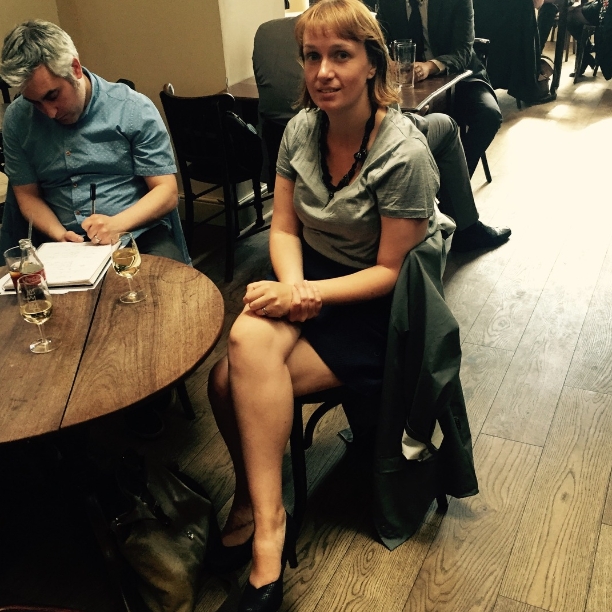 |
| me in grey |
In the summer when the light was bright and clear everyday, when my daily walks on the marshes were filled with wild flowers showing off with their vibrant colours it was fine to be in neutrals. But now as the nights draw in, and the marshes settle into muddy feilds next to grey sky I feel invisible.
There is no contrast between me and the concrete streets I walk through, and somehow I feel smaller as a result, less vibrant and less alive.
 |
| me in grey again |
I saw someone at Wednesday's event who was wearing the most amazing poncho in this gorgeous turquoise fabric and immediately headed over to talk to her, her choice of clothes cheered me up - but also gave me the impression that she'd be confident and bright herself (which she was). Do I then look mousy in my fog coloured clothes? Am I less approachable in these muted colours?
 |
| and more grey |
 |
| and (yawns.........) |
I know that bright colours make me happy come winter - I'm wearing my mustard cardigan almost everyday, and I know I feel more myself in it. I bumped into an old colleague on the tube a few weeks back, and she commented on the dark colours I was wearing, and how they were the smart choice, but not the kind of clothes she'd associate with me and they aren't the clothes I'd associate with me either. So with 7 months and 8 bits of clothing left I'm going to stop with the sensible (at least in terms of colour - I know I will need warmth). Bring on the fushia, the poppy red, and the turquoise - the noisy stimulating colours that will see me through winter confident and larger than life!
So I'm going without clothes this year and struggling but parents of disabled children go without much more in order to ensure their children's needs are met, things like heating. The counting the costs report is here and here is where you can donate.
Friday, 30 October 2015
People my age have loads to offer
This week alongside two of my
lovely friends I hosted an ace event at Soho House. It's the first of 3 events
we're running to support the Clothes off my back challenge, and it went really
really well.

We had a full house of 30 young creative people join us, and I had conversations with a couple of them about how charities treat them and I thought I'd share some thoughts about it here.
I am sick of hearing people talk about how feckless, irresponsible and selfish people my age and younger are. I know that every generation faintly disapproves of the next, but in our case I think the onset of technology has made it worse.
I hear people my parents age worry aloud that video games have made us short in concentration and violent, that reality television makes us all seek instant gratification, and that social networking has made us mistake online conversations for real friendships.
I've heard people say that televised violence has made us insensitive to the suffering around us, our online profiles self-obsessed and shallow.
I have to say this is not my experience.
I know some really exceptional people who make real sacrifices to make this world better. People who protect human rights in Nepal, who provide medical care in Calais, I have friends who've raised huge amounts of money running marathons, and who volunteer their time mentoring and supporting vulnerable people.
My experience of my generation is that we engage emotionally and intellectually with the problems that we see in the world, and that given the opportunity we'll take action to make a difference. But I also think that the old fashioned ways of raising money from us just don't work.
Taking out a direct debit for £20 a month and getting an email or letter about the good being done as a result of your donation, must have felt really meaningful back when communication was slow and information hard to come by. Pity marketing of the old school Band-Aid style worked when we only had access to news reports about the scale of a problem. But now we have more access to information, we want to know more, not just about the problem, but about how charities are solving it. We want to be more than chequebooks. We want to be a part of the solution.

We know that raising money is key and we know how to do it. You are not going to get into our wallets through guilting us. But engage us and you'd be amazed what we can do.
On Wednesday I spoke to high end marketers who are desperate to work with charities but not in the way charities want to engage them. They know how to reach out to people and get them to act on their emotions - but are frustrated that they only ever get to redesign logos rather than being given a problem to solve.
I spoke to lawyers, to designers, business people and artists and they all agreed that they'd give more, and encourage others to do the same if they felt like their skills were valued - and these were some really skilled people!

So Wednesday we held a life drawing dinner party at Soho House. 30 people created some lovely art, ate an amazing meal, laughed, drank and had some really opinionated discussions. Myself, Bella and Charlotte had a clear idea of what we wanted when we put together the evening. No guilt, no asking people to get out their chequebooks, no forcing people into conversations about why Contact a Family exists. Instead we wanted people to have a genuinely good time, to listen to what they thought, find out what they were into, and begin meaningful relationships.

I think we achieved that. As people left a couple regaled me with stories of being shown heart-breaking videos over dinner and then being challenged to hit fundraising targets (they donated but refused all future contact with the charity), being called to be told about a child's early death, and being asked to give more money (they cancelled their direct debit), and being shamed for wearing expensive shoes by a chugger. We didn't do that. Our guests left happy, they learnt a little bit about a charity they'd never been exposed to before, and between them they donated £1357 including gift aid. Plus we made some friends - who have more valuable things to offer than just their money.

If you came along - thank you. And if you didn't but are reading and sharing this blog - thankyou. If you are talking about the rights of disabled children and raising awareness in your social networks - thankyou. If you are one of the people who've made the 45 THOUSAND visits to my tiny little blog - Thankyou.
And if you've got an idea about something you can do to make the world a better place - thankyou. I'd love to help - it doesn't need to be this charity - anything you care about. Let me know if I can help you make contact with organisation where you can make a difference - because the thing with our generation is, our social networks make us pretty well connected.
And you know what - if you do want to donate - that's great too, you can do it here.
Take care kids. Sometime this week I'll be posting about knitted shorts - so keep your eye out for that!
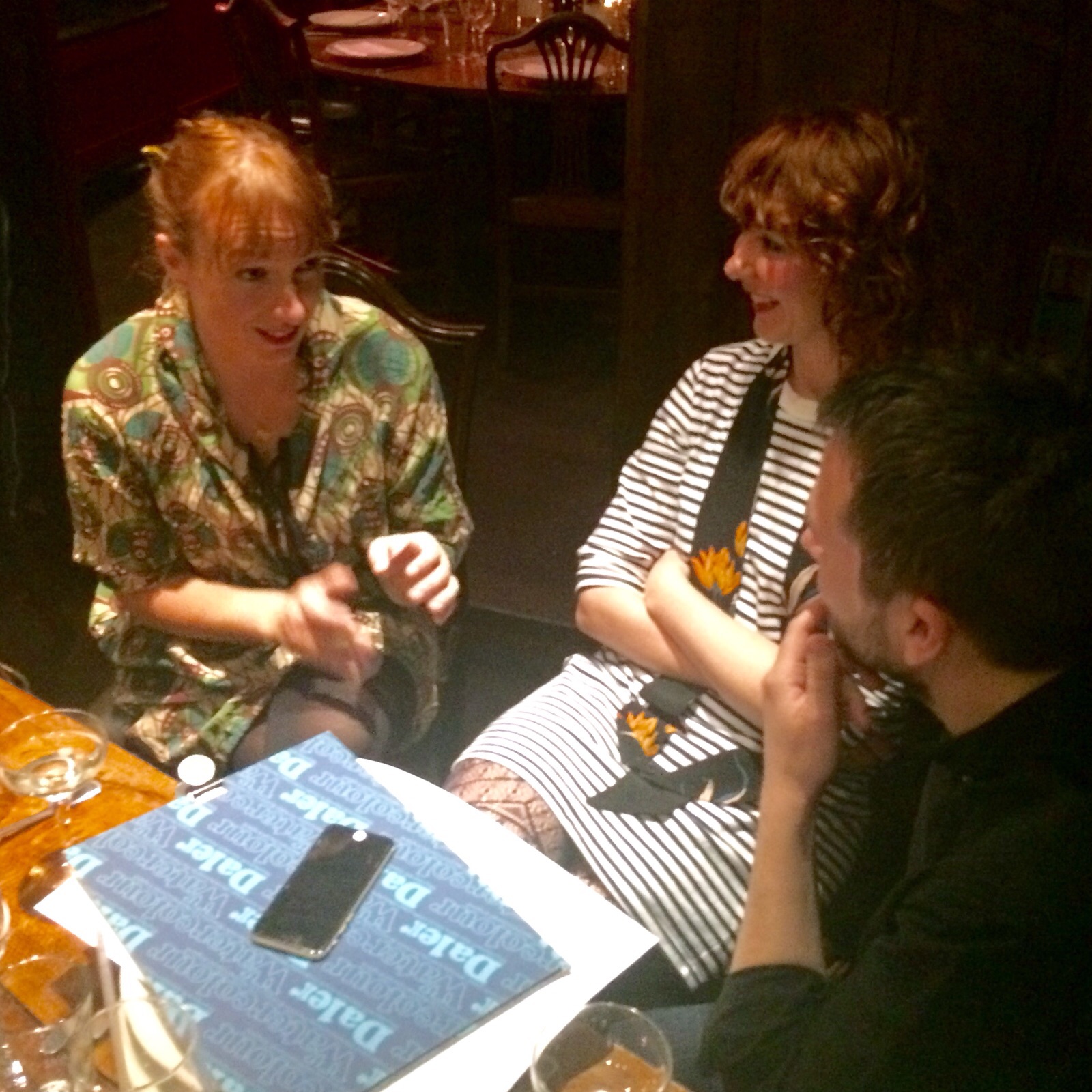
We had a full house of 30 young creative people join us, and I had conversations with a couple of them about how charities treat them and I thought I'd share some thoughts about it here.
I am sick of hearing people talk about how feckless, irresponsible and selfish people my age and younger are. I know that every generation faintly disapproves of the next, but in our case I think the onset of technology has made it worse.
I hear people my parents age worry aloud that video games have made us short in concentration and violent, that reality television makes us all seek instant gratification, and that social networking has made us mistake online conversations for real friendships.
I've heard people say that televised violence has made us insensitive to the suffering around us, our online profiles self-obsessed and shallow.
I have to say this is not my experience.
I know some really exceptional people who make real sacrifices to make this world better. People who protect human rights in Nepal, who provide medical care in Calais, I have friends who've raised huge amounts of money running marathons, and who volunteer their time mentoring and supporting vulnerable people.
My experience of my generation is that we engage emotionally and intellectually with the problems that we see in the world, and that given the opportunity we'll take action to make a difference. But I also think that the old fashioned ways of raising money from us just don't work.
Taking out a direct debit for £20 a month and getting an email or letter about the good being done as a result of your donation, must have felt really meaningful back when communication was slow and information hard to come by. Pity marketing of the old school Band-Aid style worked when we only had access to news reports about the scale of a problem. But now we have more access to information, we want to know more, not just about the problem, but about how charities are solving it. We want to be more than chequebooks. We want to be a part of the solution.

We know that raising money is key and we know how to do it. You are not going to get into our wallets through guilting us. But engage us and you'd be amazed what we can do.
On Wednesday I spoke to high end marketers who are desperate to work with charities but not in the way charities want to engage them. They know how to reach out to people and get them to act on their emotions - but are frustrated that they only ever get to redesign logos rather than being given a problem to solve.
I spoke to lawyers, to designers, business people and artists and they all agreed that they'd give more, and encourage others to do the same if they felt like their skills were valued - and these were some really skilled people!

So Wednesday we held a life drawing dinner party at Soho House. 30 people created some lovely art, ate an amazing meal, laughed, drank and had some really opinionated discussions. Myself, Bella and Charlotte had a clear idea of what we wanted when we put together the evening. No guilt, no asking people to get out their chequebooks, no forcing people into conversations about why Contact a Family exists. Instead we wanted people to have a genuinely good time, to listen to what they thought, find out what they were into, and begin meaningful relationships.

I think we achieved that. As people left a couple regaled me with stories of being shown heart-breaking videos over dinner and then being challenged to hit fundraising targets (they donated but refused all future contact with the charity), being called to be told about a child's early death, and being asked to give more money (they cancelled their direct debit), and being shamed for wearing expensive shoes by a chugger. We didn't do that. Our guests left happy, they learnt a little bit about a charity they'd never been exposed to before, and between them they donated £1357 including gift aid. Plus we made some friends - who have more valuable things to offer than just their money.

If you came along - thank you. And if you didn't but are reading and sharing this blog - thankyou. If you are talking about the rights of disabled children and raising awareness in your social networks - thankyou. If you are one of the people who've made the 45 THOUSAND visits to my tiny little blog - Thankyou.
And if you've got an idea about something you can do to make the world a better place - thankyou. I'd love to help - it doesn't need to be this charity - anything you care about. Let me know if I can help you make contact with organisation where you can make a difference - because the thing with our generation is, our social networks make us pretty well connected.
And you know what - if you do want to donate - that's great too, you can do it here.
Take care kids. Sometime this week I'll be posting about knitted shorts - so keep your eye out for that!
Saturday, 24 October 2015
The Fabulous Mr & Mrs Cooper
So two of my best mates got married yesterday and I am FAR too hung over to blog today.
Thankfully I was one of the 'best men' - so I thought I'd share a couple of photos of the fabulous day and the speech as I orginially wrote it!
 |
| The gorgeous Mr & Mrs Cooper |
Well, isn’t this lovely. Lovely couple, lovely venue, lovely
bridesmaids (one of whom I have a fully secured snog scheduled with later).
Let’s start by just taking a look around
and luxuriating in how all round
gorgeous today has been.
I’ve had the great pleasure of attending both the hen and
the stag before coming here today and I have to say I’ve never experienced such
a joyous lead up to a wedding. Bob & Laura have excellent taste in friends.
You are all crazy rockstars! So feel free to pat yourselves on the backs in
congratulations for your all round awesomeness.
But enough about you – lets concentrate on the bride and
groom. All this gorgeousness today will come as no surprise to
anyone. Of course with these two we couldn’t have imagined anything different. I love these guys, they are just made for each another
aren’t they? Their senses of humour, taste in everything from food to furniture
– even their yoga teacher says they move the same – quite simply the perfect
couple.

And what’s wonderful about them is not just how much they
love each other. But actually that it’s catching.Because there are a load of ways of loving another person,
and most of them are about putting your energy into them, focusing on them and
eliminating a little something somewhere else to make space for that love. But
sometimes, rarely there are these amazing unicorn couples who find loving one
another so effortless – that the joy they have in one another spills out into
the world.
And that’s what we are witnessing here today, that beautiful
champagne like bubbling over of love, that made all our hearts swell as these
guys said their vows. That makes picnics and dinner parties and walks in the
park just that little bit more fun if they are there too. I once spent a
tortuous 12 hours including no less than three vehicular breakdowns travelling
to Cornwall with these guys. My most vivid memories of that trip (beside our
encounter with Tim the words most
helpful serial killer) is dancing around to Jack White in a multi story car
park whilst we waited for our third rescue by a mechanic. It wasn’t wasted
time, or angry time, or lets bitch at one another cos we’re all so frustrated
time, it was simply we’re stuck here so let’s do our best to have fun time. It
should have been a nightmare, and it wasn’t – because time with these guys is
never wasted.

We could talk about their talent if we wanted to, god knows
they are talented, Laura’s photo’s, bob’s drawing, they can both cook, they can
both style a room. Laura knits and crochets things of beauty, and I still
resent Bob for not giving me one of the wire meshing dragons he made in sixth
form.
But if I’m honest it’s not really their talent at work
stuff, or at art stuff that interests me. It’s their talent as hosts, as the
kind of friends who make those tiny, wonderful adjustments to make everyone
welcome. It’s the interest and concern they show for people that they
know well, but also people who are new to them that makes them unique and
precious.

Now I know there are supposed to be jokes in this speech – but I also want there to be love. Because
actually I feel pretty honoured to be here today, speaking to you all about
these lovely lovely people.
When Bob asked me to be his best man, I punched him. Hard.
It was perhaps not the most dignified way of accepting the honour – but I was actually
lost for words (unusual for me), and deeply chuffed and excited to be asked.
Bob and I have been friends a long time. We met in sixth
form, taking the same hour bus ride to a school we both hated. I think Bob must
have dated/ snogged 50% of my mates during that period, he was the undangerous ladies
man. It was the self confident ok with themselves girls who liked Bob, girls
who expected boyfriends to be respectful and nice to them. And Bob was. While
the relationships didn’t last, the underlying friendships did. We went to a lot
of fun parties and even developed a bit of a fan club made up of some friends
younger brothers and their mates.
One of these boys once said to me that if Bob and I ever had
a baby it’s be so cool it’d be god. Which makes me very glad that Bob & I
were never in the slightest bit attracted to one another – as a) we’re both of
us actually quite geeky and it might result in a global ‘lowering the bar’ on
cool, which would be shame for all the hipsters in Bob’s beloved east London.
And b) because nobody would want any kind of deity that displays our shared
indecisiveness, excessive politeness, ability to get distracted by shiny things
or adoration of Laura. Nothing would get done! What use is a God that is
fixated on Lauras boobs? I mean they are spectacular, but someone would need to
keep gravity and physics and stuff working
and no god created by Bob or I would be up for that!
Which brings me to Laura. I love you. You are an
absolute gift in my life and having spoken to a load of the women here today –
I can say that I am far from the only one who feels this way.

Bob and I lost touch for a few years after school, and the
first time we went for a drink after reconnecting he started to preach the
gospel about this amazing woman he was in a relationship with. How she was
pretty, and funny, and creative, generous and talented. And I thought. Well to
be honest I thought he was full of shit. No-one could possibly be that
insufferably brilliant.
The first time I met Laura was at my birthday party & I
thought she was lovely. The second time was an afternoon in their tiny little
flat and it is no exaggeration to say I fell a bit in love. Because you really
are all the things Bob described and more. My lovely precious friend – how
lucky I am that Bob fell in love with you and you with him. Because it gave me
one of the people I love most in the world.
And bob. Oh bob – who here has seen bob dance? Then you will
know what I’m talking about. And if you haven’t – then tonight my friends you
are in for a bloody treat. There is simply no one in this world as happy as Bob
is when he’s dancing. It is fabulous.
 |
| fabulous |
Bob is one of my very favourites. I am never bored in his
company – he doesn’t judge when I get lonley if Matt’s out for the evening and
I don’t judge him when he’s the same when Laura’s away. We’re both rubbish
without our beloveds – and know the other one will be required to come drink a
pint or watch a film to prevent us collapsing in on ourselves and we’re both
totally fine with that.
Bob is fun and he’s generous – and he can talk about real
stuff as easily as he talks about star wars and I value him more than diamonds.
He’s the best mate a girl could ask for and he’s going to make a wonderful
husband.

And to both of you together, I won’t wish you luck because
you don’t need it, I will wish you fun, and opportunities for adventure, I wish
you Sunday afternoons under a blanket, meals for two, and meals for 10,
Scotland, camping, the sea, and exciting undiscovered cuisines – I wish you
both the life you desire and with each others support you will have it. And so
finally from all of us here – lets toast- to happily ever after.
Saturday, 17 October 2015
Contributed to by neglect.....
Last night I went to bed
close to tears and filled with outrage. I woke up this morning feeling the same
way. And today I'm going to talk a little about why.
When I started this blog my intention was to raise awareness of the number of disabled children living in poverty and the impact it had on their lives. I chose a challenge for myself that would provide a tiny window into the inconveniences that not having easy access to new and different things could bring. I chose poverty because it's explainable, it's preventable and everyone has some understanding of what it is.
The number of children living in poverty in this country is an outrage, the disproportionate number of those children who are disabled even more so. But that's not the reason I went to bed shaking with anger last night. That was because people with learning disabilities are still dying unnecessarily because they are simply not valued as highly as people who aren't disabled.
I know. That statement sounds aggressive right? No-one wants to believe this is true. Surely no one consciously values one person's life over another's? You know what I have to hope that no-one does do that consciously - but there is no .denying that people with learning disabilities are treated differently. Mencap have produced numerous reports about the inequalities in the way people with learning disabilities access healthcare. Between 2009- 2011 alone they had 28 grieving families come to them saying their relatives had died avoidably whilst in NHS care.
People with learning disabilities are victims of hate crime, and are disproportionately at risk of experience of physical, sexual, emotional and financial abuse. I could point you to lots of facts and figures about this but I won't. There's loads of evidence out there and I'd suggest you start here to find out more.
But sometimes numbers can get in the way of really feeling an issue. And today I want you to feel this. If you don't know anyone with a learning disability it's easy not to be outraged by the way they are treated - because you simply won't see it. It doesn't get much news coverage, there aren't any really famous people with learning disabilities (though there are some very inspiring people like my mate Scott Watkins), so why would you know?
Maybe some of you watched the panorama on Winterbourne View, and if you did you might remember some of the more disturbing scenes of violent restraint and bullying. I worked at Mencap when that programme was broadcast and I will never forget the stand up meeting on the campaigns floor the next day. People were distressed at those images - but we weren't surprised. Winterbourne view was a particularly bad example of treatment people with a learning disability have been describing to us for years. There are many wonderful people who work to support people with learning disabilities, brilliant, empathetic individuals who really care about what they are doing. But time and time again we hear about how systems put in place to protect people fail, how through neglect, disorganisation or malice people with learning disabilities do not get the treatment they should be able to expect. By which I mean the same quality of respect people without a learning disability receive.
Anyway - yesterday an inquest decided that Connor Sparrowhawk's death in a bath following an epileptic seizure was 'contributed to by neglect'.
I don't know Connor, or his family, but like many people who work in my sector I enjoyed dipping into his mother’s witty and honest blog about living with him. Her observations and experiences chimed with those of many families I've worked with, and the lead up to Connors admission into the assessment and treatment unit where he died felt all too familiar. Connor and his family were being failed long before his death.
And they continued to be failed after it. It has taken more than two years to get an apology - as if an apology is anything near enough when your child has died. The result of the inquest got some press today - not enough but some. And I can only hope that public attention leads to some real change in the way people with Learning Disabilities needs are assessed, planned for and met. But I fear that will only happen if we as a society stand behind people with a learning disability and their families. If we take notice when things like this happen and we shout about our outrage.
I agonised about whether to blog about this. This isn't my story it's Connor's, it's the story of his family and his friends and all the people who loved him. Except its kind of my story too - and yours - because do we want to live in a society where a young man's preventable death barely causes a ripple of attention? Where we are not all outraged by the fact that Connor is far from the only person to have died prematurely due to a lack of appropriate care - sadly (and if you're not angry now you never will be) he's not even the only person to have died in that bath.
I know.
That's why I went to bed and woke up still shaking with anger- there is just no world where this is ok.
I think it's important on this blog to say a couple of things. This is a personal blog - my opinions here are mine, not necessarily those of any organisation I represent. Also - I deliberately haven't gone into loads of detail about Connors case here - I'm not an expert on this case and it would be disrespectful to get it wrong. If you are on twitter I highly recommend reading @LBInquest where the whole inquest was live tweeted. The inquest findings are now on the Justice for LB site.
When I started this blog my intention was to raise awareness of the number of disabled children living in poverty and the impact it had on their lives. I chose a challenge for myself that would provide a tiny window into the inconveniences that not having easy access to new and different things could bring. I chose poverty because it's explainable, it's preventable and everyone has some understanding of what it is.
The number of children living in poverty in this country is an outrage, the disproportionate number of those children who are disabled even more so. But that's not the reason I went to bed shaking with anger last night. That was because people with learning disabilities are still dying unnecessarily because they are simply not valued as highly as people who aren't disabled.
I know. That statement sounds aggressive right? No-one wants to believe this is true. Surely no one consciously values one person's life over another's? You know what I have to hope that no-one does do that consciously - but there is no .denying that people with learning disabilities are treated differently. Mencap have produced numerous reports about the inequalities in the way people with learning disabilities access healthcare. Between 2009- 2011 alone they had 28 grieving families come to them saying their relatives had died avoidably whilst in NHS care.
People with learning disabilities are victims of hate crime, and are disproportionately at risk of experience of physical, sexual, emotional and financial abuse. I could point you to lots of facts and figures about this but I won't. There's loads of evidence out there and I'd suggest you start here to find out more.
But sometimes numbers can get in the way of really feeling an issue. And today I want you to feel this. If you don't know anyone with a learning disability it's easy not to be outraged by the way they are treated - because you simply won't see it. It doesn't get much news coverage, there aren't any really famous people with learning disabilities (though there are some very inspiring people like my mate Scott Watkins), so why would you know?
Maybe some of you watched the panorama on Winterbourne View, and if you did you might remember some of the more disturbing scenes of violent restraint and bullying. I worked at Mencap when that programme was broadcast and I will never forget the stand up meeting on the campaigns floor the next day. People were distressed at those images - but we weren't surprised. Winterbourne view was a particularly bad example of treatment people with a learning disability have been describing to us for years. There are many wonderful people who work to support people with learning disabilities, brilliant, empathetic individuals who really care about what they are doing. But time and time again we hear about how systems put in place to protect people fail, how through neglect, disorganisation or malice people with learning disabilities do not get the treatment they should be able to expect. By which I mean the same quality of respect people without a learning disability receive.
Anyway - yesterday an inquest decided that Connor Sparrowhawk's death in a bath following an epileptic seizure was 'contributed to by neglect'.
I don't know Connor, or his family, but like many people who work in my sector I enjoyed dipping into his mother’s witty and honest blog about living with him. Her observations and experiences chimed with those of many families I've worked with, and the lead up to Connors admission into the assessment and treatment unit where he died felt all too familiar. Connor and his family were being failed long before his death.
And they continued to be failed after it. It has taken more than two years to get an apology - as if an apology is anything near enough when your child has died. The result of the inquest got some press today - not enough but some. And I can only hope that public attention leads to some real change in the way people with Learning Disabilities needs are assessed, planned for and met. But I fear that will only happen if we as a society stand behind people with a learning disability and their families. If we take notice when things like this happen and we shout about our outrage.
I agonised about whether to blog about this. This isn't my story it's Connor's, it's the story of his family and his friends and all the people who loved him. Except its kind of my story too - and yours - because do we want to live in a society where a young man's preventable death barely causes a ripple of attention? Where we are not all outraged by the fact that Connor is far from the only person to have died prematurely due to a lack of appropriate care - sadly (and if you're not angry now you never will be) he's not even the only person to have died in that bath.
I know.
That's why I went to bed and woke up still shaking with anger- there is just no world where this is ok.
I think it's important on this blog to say a couple of things. This is a personal blog - my opinions here are mine, not necessarily those of any organisation I represent. Also - I deliberately haven't gone into loads of detail about Connors case here - I'm not an expert on this case and it would be disrespectful to get it wrong. If you are on twitter I highly recommend reading @LBInquest where the whole inquest was live tweeted. The inquest findings are now on the Justice for LB site.
Subscribe to:
Posts (Atom)